(Solution) CIPD Level 7 70S05 Fitter Threads Ltd managers relocating to Bangladesh, India and Vietnam
Solution
Fitter Threads Ltd managers relocating to Bangladesh, India and Vietnam will experience significant differences in workplace culture and societal norms. These differences are as a result of hierarchical structures, communication styles, and broader cultural values (Balante et al., 2021). The understanding of these variations is of paramount importance in order for expatriates and their families to experience a smooth transition and to lower the level of culture shock. Culture shock occurs since an employee origin country could be operating in a different culture with the country they venture. The alignment of their cultures is therefore important for maintaining competitiveness and dominating their industry of operations.
Work-Related Differences
Hierarchical Management Structures and Decision-Making
Workplaces in Bangladesh, India, and Vietnam are hierarchical in nature and managers tend to wield substantial authority over employees (Zafarullah & Sarker, 2021). These countries have high scores on Hofstede’s Power Distance Index, which means its employees expect clear leadership and rarely challenge superiors (Sengstschmid & Leong, 2023).
On the other hand, workplaces in the UK stress egalitarianism with an environment that promotes an open dialogue and participative decision making (Valverde-Moreno et al., 2020). These Asian countries rely heavily on seniority and employees could be reluctant to speak up or make decisions independently without a manager’s approval (Zafarullah & Sarker, 2021). For example, in India, leadership takes more of a paternalistic approach, where employees look to their seniors for direction and in the professional growth. This is similar in Vietnam, where respect for hierarchy means employees do not question authority, and hence decision making is slower (Le et al., 2021). This top-down approach may be challenging for UK managers, who are used to delegating tasks and encouraging proactive problem solving. To integrate effectively, they must gradually build trust, encourage feedback through informal discussions, and balance their leadership style to align with the local expectations and maintain Fitter Threads Ltd’s commitment to ethical management.
Communication Styles and Conflict Resolution
The direct style of communication in the UK is characterised by clarity and assertiveness (Valverde-Moreno et al., 2020). In Bangladesh, India, and Vietnam, communication is generally indirect and context-dependent. These nations use non-verbal cues, implicit messaging, and relationship-based communication, as per Hall’s High Context vs. Low Context Culture Model (Zhang, 2024). Saving face is imperative in India, where employees might hesitate to say no or give negative feedback to avoid embarrassment. Similarly, workplace communication in Vietnam is diplomatic, where the employees use indirect language rather than addressing issues bluntly (Martel & Glas, 2022). This is in stark contrast to UK managers who are accustomed to open dialogue and constructive criticism. Additionally, conflict resolution differs significantly. There is little direct confrontation in these Asian cultures resolving disputes through mediation and consensus building (Valverde-Moreno et al., 2020). This makes it challenging for UK managers to negotiate workplace disagreements without causing unintended offense. To better harness these differences, expatriates will need to exercise cultural intelligence, employ active listening, and engage in relationship building based on mutual understanding, rather than relying on transactional work dynamics.
Societal Differences
Social Norms and Gender Roles
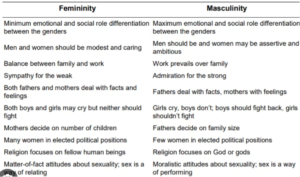
In Bangladesh, India, and Vietnam, UK managers and their families will find many differences in gender role, as traditional societal expectations influence workplace and daily interactions (Basharat & Alam, 2024). The Hofstade Masculinity vs. Femininity Index indicates that India and Bangladesh score highly on masculinity, where social interactions are dominated by assertiveness, competition, and defined gender roles (Kukowska, 2024). Because women’s participation in the workforce is lower in Bangladesh and India than the UK, expatriate women in leadership positions may meet resistance from male subordinates. Although Vietnam is more gender inclusive, with a strong history of female workforce participation, Confucian traditional values still influence family dynamics (Tran, 2022). Moreover, in all three countries, family reputation and collectivism shape personal and professional relationships. While the UK promotes individualism, these societies emphasise the importance of group harmony and social hierarchy. Understanding these dynamics are important for expatriates to understand when socialising or in business negotiation (Huynh, 2021).
Work-Life Balance and Social Expectations
In Bangladesh, India, and Vietnam, the concept of work life balance is different from the UK. In these countries, there is usually long working hours during which employees usually put professional obligations above personal time (Carmichael et al., 2022). This might cause challenges for UK managers used to structured work schedules and strong focus on personal well-being. In India, for example, These differences are as a result of hierarchical structures, communication styles, and broader cultural values (Balante et al., 2021). The understanding of these variations is of paramount importance in order for expatriates and their families to experience a smooth transition and to lower the level of culture shock. Culture shock occurs since an employee origin country could be operating in a different culture with the country they venture. The alignment of their cultures is therefore important for maintaining competitiveness and dominating their industry of operations.
Work-Related Differences
Hierarchical Management Structures and Decision-Making
Workplaces in Bangladesh, India, and Vietnam are hierarchical in nature and managers tend to wield substantial authority over employees (Zafarullah & Sarker, 2021). These countries have high scores on Hofstede’s Power Distance Index, which means its employees expect clear leadership and rarely challenge superiors (Sengstschmid & Leong, 2023). On the other hand, workplaces in the UK stress egalitarianism with an environment that promotes an open dialogue and participative decision making (Valverde-Moreno et al., 2020). These Asian countries rely heavily on seniority and employees could be reluctant to speak up or make decisions independently without a manager’s approval (Zafarullah & Sarker, 2021). For example, in India, leadership takes more of a paternalistic approach, where employees look to their seniors for direction and in the professional growth. This is similar in Vietnam, where respect for hierarchy means employees do not question authority, and hence decision making is slower (Le et al., 2021). This top-down approach may be challenging for UK managers, who are used to delegating tasks and encouraging proactive problem solving. To integrate effectively, they must gradually build trust, encourage feedback through informal discussions, and balance their leadership style to align with the local expectations and maintain Fitter Threads Ltd’s commitment to ethical management.
Communication Styles and Conflict Resolution
The direct style of communication in the UK is characterised by clarity and assertiveness (Valverde-Moreno et al., 2020). In Bangladesh, India, and Vietnam, communication is generally indirect and context-dependent. These nations use non-verbal cues, implicit messaging, and relationship-based communication, as per Hall’s High Context vs. Low Context Culture Model (Zhang, 2024). Saving face is imperative in India, where employees might hesitate to say no or give negative feedback to avoid embarrassment. Similarly, workplace communication in Vietnam is diplomatic, where the employees use indirect language rather than addressing issues bluntly (Martel & Glas, 2022). This is in stark contrast to UK managers who are accustomed to open dialogue and constructive criticism. Additionally, conflict resolution differs significantly. There is little direct confrontation in these Asian cultures resolving disputes through mediation and consensus building (Valverde-Moreno et al., 2020). This makes it challenging for UK managers to negotiate workplace disagreements without causing unintended offense. To better harness these differences, expatriates will need to exercise cultural intelligence, employ active listening, and engage in relationship building based on mutual understanding, rather than relying on transactional work dynamics.
Societal Differences
Social Norms and Gender Roles
In Bangladesh, India, and Vietnam, UK managers and their families will find many differences in gender role, as traditional societal expectations influence workplace and daily interactions (Basharat & Alam, 2024). The Hofstade Masculinity vs. Femininity Index indicates that India and Bangladesh score highly on masculinity, where social interactions are dominated by assertiveness, competition, and defined gender roles (Kukowska, 2024). Because women’s participation in the workforce is lower in Bangladesh and India than the UK, expatriate women in leadership positions may meet resistance from male subordinates. Although Vietnam is more gender inclusive, with a strong history of female workforce participation, Confucian traditional values still influence family dynamics (Tran, 2022). Moreover, in all three countries, family reputation and collectivism shape personal and professional relationships. While the UK promotes individualism, these societies emphasise the importance of group harmony and social hierarchy. Understanding these dynamics are important for expatriates to understand when socialising or in business negotiation (Huynh, 2021).
Work-Life Balance and Social Expectations
In Bangladesh, India, and Vietnam, the concept of work life balance is different from the UK. In these countries, there is usually long working hours during which employees usually put professional obligations above personal time (Carmichael et al., 2022). This might cause challenges for UK managers used to structured work schedules and strong focus on personal well-being. In India, for example,
Please click the following icon to access this assessment in full