(Solution) 5CO02 concept of evidence-based practice, including two examples of where Camellia’s People Team could use it to ensure sound decision-making in people practice
Solution
Evidence-based practice (EBP) in people management refers to the systematic approach of making decisions using the best available evidence, combined with professional judgement and stakeholder values, rather than relying on assumptions, tradition, or isolated opinions. In HR practice, this involves integrating organisational data, employee insights, external research, and practitioner expertise to improve decision-making quality. CIPD defines EBP as a disciplined approach that improves people decisions by combining multiple sources of evidence and reducing bias in HR judgement (CIPD, 2025a). This makes EBP particularly relevant for Camellia, where the People Team has been criticised for weak use of data insights.
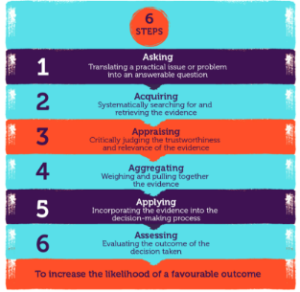
The value of EBP lies in its ability to improve objectivity and accountability in people decisions. It reduces reliance on intuition and ensures HR actions are linked to measurable outcomes such as performance, retention, and employee engagement. However, EBP is not without limitations (CEBMa, 2024). It depends heavily on the availability and quality of data, and poor-quality or incomplete data can lead to misleading conclusions. Additionally, it requires analytical capability within HR teams, which may initially be underdeveloped in organisations transitioning to a data-driven culture.
Example 1: Recruitment and Selection Decision-Making
Camellia can apply EBP in recruitment by combining internal hiring data (such as turnover rates, time-to-fill, and quality of hire) with external labour market insights and structured interview evidence.

For instance, if turnover is high within the first six months, the People Team can analyse whether selection criteria, job descriptions, or onboarding processes are misaligned. McCartney and Fu (2022) highlight that HR analytics improves workforce decisions when organisations link HR data to business outcomes. This ensures recruitment decisions are based on evidence of what predicts long-term success rather than subjective manager preference.
Example 2: Learning and Development (L&D) Investment Decisions
Camellia can also use EBP to….
Please click the following icon to access this assessment in full
Related to:https://rankedprofessionals.com/downloads/solution-cipd-level-5-5c002-technivara-organisation/