(Solution) AC2.1 Theories and Models for Organisational and Human Behaviours
Solution
Charles Handy Model– This developed by Charles Handy is identified in Abdala et al. (2021) as identifying organisation culture main features including Roles, Tasks, Power and the Person;
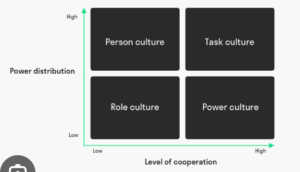
Power culture is anchored on being controlled by less people with role culture bureaucracy where legislations and formalised structures followed.
Task culture is informed by engaging teams, prioritising on need to solve problems and collaborate. This is with person culture having their priority to people where autonomous relations highly valued comparative to hierarchical.
For the different cultures, an organisation can operate with any of them despite of the opportunity in place for their integration. Charles Handy make a suggestion of misaligned culture and staff expectation contributing to conflicting, disengaged and resisting teams.
Application for understanding Calmere House Problems/issues– For Kirsten, Calmere House reflect Task-based Culture with teamwork, consultations and teamwork core. The employees feel high-level empowerment and commitment increased owing to their voice being core in decision made. Post-Takeover, Chaffinch Group had been in a position of imposing Role-based Culture in a hierarchical culture dominance, rigidity and autocracy by Kath.
The negatives are identified in Stein et al. (2021) as undermining scope of staff involvement with employees autonomous relations and not feeling valued. By embrace of fresh cultural stance enhance collaboration, increase in dissatisfied teams which trigger turnover surge.
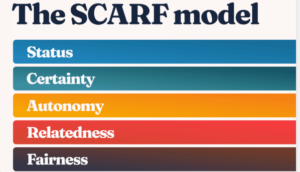
David Rock’s SCARF Model– This was developed by David Rock. The core assumption is that organisation/human behaviours are a characteristic of Certainty, Status, Relatedness and Fairness (Manjaly et al., 2024) For Status, this is linked with individual relevance with certainty being concerned with future-based prediction. An autonomy evident sense of stringent…..
Please click the following link to access this assessment in full