(Solution) ICS Learn 5C001 2.1 Theories and Models (Organisational and Human Behaviours)
Solution
2.1 Theories and Models (Organisational and Human Behaviours)
Charles Handy Model
A creation of Charles Handy is based on assumption that organisatio culture is defined from dimensions of “Roles, Tasks, Power and Person” (Abdala et al., 2021).
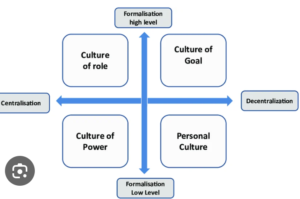
For Power Culture, this means few individuals controlling the rest while role culture having elaborate explanation of roles with clear follow-up of laws and hierarchy. The tasks involve different teams involved with priority advanced in solving issues and active collaboration. The person culture prioritise on autonomy on how they relate as opposed to hierarchy.
In various cultures, operations of organisations in either of the identified principles is relevant. Charles Hady intent was to ensure alignment of employees functions with organisation objectives eliminating roles conflicts, disengagement and resistance (Abdala et al., 2021).
Explanation– To identify problem, Charles Handy Model note that Kirsten Calmere House has been working with Task-Based Culture. There are collaboration, consulting and working in teams. Employees assume a feeling of empowered and committed as voice is enhanced in decision making. After Takeover, Chaffinch Group are positioned to impose Role culture hierarchically, rigid and autocratic characterising Kath leadership.
The negatives include employees inclusion undermined having a feel of less valued. According to Stein et al. (2021) recommendation, appropriate culture improve teamwork, manage turnover as dissatisfaction would be eliminated.
A development of David Rock is informed by view that human behaviours are defined with “Certainty, Status, Related and Fair”.
The status is identified in Manjaly et al. (2024)…….
Please click the following link to access this assessment in full