(Solution) 5C002 Q5-AC1.5 Assessment of Ethical perspectives including how these could be used at Technivara to inform and influence decision-making
Solution
Utilitarianism
Utilitarianism is a moral view that encourages the making of decisions in the best interest of the maximum number of people.
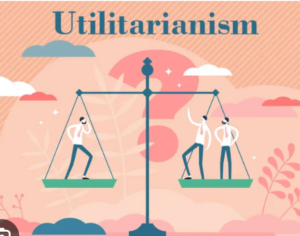
Actions that are evaluated by their consequences have their focus on the maximisation of total benefits and minimisation of harm (McCombs School of Business, 2025). Utilitarianism would be used in making decisions concerning modernisation of people practises at Technivara. As an example, an introduction to the digital HR system can be associated with short-term expenditures and inconvenience, and the long-term advantage of precise data, improved workforce planning, and enhanced employee experiences would offset the inconvenience. Likewise, during recruitment, fair, evidence-based processes should be prioritised so that most of the employees enjoy the advantages of the better colleagues and minimised turnover.
The principal advantage of the utilitarianism theory is that it puts emphasis on outcomes that are advantageous to the larger workforce and organisation (Henry and Jonathan, 2024). In the case of Technivara, this helps sustainability and equity in growth because the decisions are made based on the overall influence and not on individual preferences. However, utilitarianism may ignore the interests of the minorities. An example is introducing digital systems that will advantage most of the employees but disadvantage a few long-serving employees that are unable to cope with technology, their needs may be not given much weight.
Altruism
Altruism is an ethical approach where expressions of selflessness in regard to the wellbeing of others are of more importance than personal gain or the gain of the organisation in the here and now (Kraut, 2020). The decisions are driven by compassion and need to be of benefit to others. In Technivara, altruism may affect decision-making in some areas like employee wellbeing. An example would be the company may decide to invest in improved healthcare benefits or flexible working hours despite the fact that they may not directly help in making employees….
Please click the following icon to access this assessment in full