(Solution) ICS Learn 5HR01 Advise on the importance of handling grievances effectively (AC 3.3)
Solution
The Importance of Handling Grievances Effectively
It is vital that organisational grievances are addressed in the right way in a newly merged public sector organisation as there is a likelihood of uncertainty and dissatisfaction among the employees.
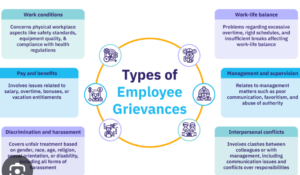
An effective grievance handling system builds employee trust in management, which adopts a fair approach to acknowledge and deal with such concerns (McConnell, 2024). This also helps maintain workplace harmony, by reducing tensions which could cause conflicts to escalate further.
Furthermore, proper grievance management also increases employee engagement and morale, as employees feel they have been valued and respected. As a result, it contributes to higher productivity and lower rates of absenteeism (Verasai, 2023). In addition to this, effectively dealing with grievances means complying with legal and regulatory obligations, in order to avoid possible complaints of unfair treatment or discrimination under law, for example the Employment Rights Act 1996 and the Equality Act 2010.
Finally, having an effective grievance handling is useful in maintaining an organisational reputation which shows organisation’s commitment towards an employee’s wellbeing and fairness. This is especially important in the public sector, where transparency and accountability are crucial. A grievance system that is well managed will allow leadership to also pinpoint recurring issues regarding workplace policies which might be improved, breeding a culture of ongoing enhancement (Sharma, 2024).
Impacts if Grievances are not Handled Effectively
If grievances are not handled well, the consequences can be severe, with employee morale going down and employee turnover increasing (Sendall, 2023). Ignored or unfairly treated employees can get disengaged which will result in lower productivity and higher absenteeism. This can have major implications for service delivery in the public sector, subsequently affecting citizens who depend on these services.
In addition, the likelihood of legal claims and financial liabilities rises from poor grievance management. Legal costs and potential compensation……….
Please click the following icon to access this assessment in full