(Solution) 5HR01 AC 2.2 Assess emerging trends in the types of conflict and industrial sanctions
Solution
Strikes number and days out of work
In UK labour market, the popularity of the industrial injunctions/activities have substantially increased identified as a common current trend. In Hodder and Mustchin (2024) report, approximately 3.5 million days are spent out of work owing to increased labour disputes in one year from 2023. These are enormous comparative from the last decade. Majority of the number of hours have been lost for the employees who are found working in the public sector. For instance, the merger process of the public sector organisation would be directly affected. The public sector are in areas of railway, education and healthcare.
For example, in UK, in 2024 a rise with 40% of railway employees strikes led to substantial transport sector disrupted and with a direct impact customers satisfaction (CIPD, 2025). The rationale of the increased strike numbers offer staff and other stakeholders (trade unions) with ability of negotiating for appropriate workplaces in terms of remuneration and also appropriateness of workplace.
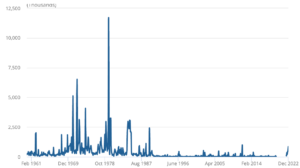
For negatives, an increased number of strikes and days spent out of working have negative implication on confidence in the public sector in provision of core services. According to CIPD (2019), there are gaps initiated in the operation uncertainties as part of their operations. In an event this fails in terms of appropriate management and intervening at an early phase, for the merger organisation context, suffering would be evident from less motivated employees, disrupted services provision and damaged organisation brand.
Increased popularity of Online Petitions (Social Media Platforms)
This is a second very popular trend which has popularly emerged in the past years. This is characterised with digitised campaigns and online-based petition characterised with traditional types of employees voice and industry activists (Sikes, 2023). As a common undertaking, the employees embrace use of social-media platforms (google, WhatsApp, telegram, Meta among others)
Please click the following icon to access this assessment in full