(Solution) New Dubai 5HR03 (AC1.1) Explain the principles of reward and its importance to organisational culture and performance management
Solution
Principles of Rewards
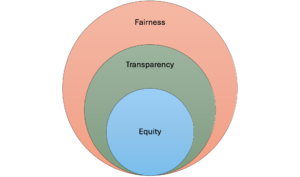
Fairness– According to CIPD (2021), this include rewarding the employees in line with their input/contribution to an organisation. For Eco-Insulate case study, the challenge of lack of reward fairness has been identified owing to lacking an appropriate structure of issuing rewards hence some feel favoured and inequality prevalent. By fairness in rewards, trust-based relations are initiated therefore an increased morale and engagement among all employees.
Transparency- The different employees in an organisation must understand the rationale of receiving specific rewards. According to CIPD (2024), this mitigates any mistrust in rewards owing to opaque rewards offered to different employees. In Eco-Insulate highly qualified employees’ attraction, transparent rewards to the employees are essential in areas of bonuses and top-ups.
Equity– This is a principle which inform on how the rewards and benefits are distributed among different employees in an organisation. In CIPD (2024), distribution must be guided by skills possessed, experiences and knowledgeable. For Eco-Insulate, equity issues exist as the senior management are paid well compared to the lower-level employees.
Organisation Culture
By ensuring rewards are fair, transparent and equal, an appropriate organisation culture of feeling appreciated is established. The lack of the identified principles inn rewards contributes to a culture where the employees feel not appreciated, reduced morale and will to execute their functions (CIPD, 2021).
By ensuring the rewards are transparent, the employees feel that the rewards offered is in line with their expectations. This is with equity leading to feeling an entity is just and leading to distribution based on what they offer their organisation contrary to favouritism.
On the other hand, failure to pursue noted principles successfully, employee’s dissatisfaction prevail which is characterised by a culture of failing to evidence discretionary behaviours. According to CIPD (2024a), the ability to put in place fairness and equity in rewards in rewards enhance collaboration scope of the different assigned roles. This ends up achieving an increased satisfaction in their functions.
Performance Management
A fair, transparent and equal-based rewards…
Please click the following icon to access this assessment in full