(Solution) 5C001 AC1.3 Factors which impact residential care industry
Solution
Negative Impact (Increased Inflation Rates)
This is external and with a negative impact on residential care industry. The negative is evidenced by costs of operation increase. This is since it increases incurred costs on basic commodities, food, medicine and rewards cumulative core for residential care;
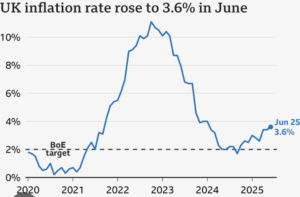
In Dao et al.(2024), inflation lower ability to procure/purchase hence pressuring organisations and population/society.
Considering care homes, immense costs are incurred to hire more staff specifically owing to the fact this represent the stand-alone highest incurred cost/expense.
For the changes in rates of interests (a solution to inflation rates), increase in costs to borrow hence reduced ability to access capital for investments (Bank of England, 2025) .
For Calmere House, Kristen had earlier noted on existence of a challenge of immense costs incurred to maintain the employees and utilities. The lack of consideration of these factors lead to compromised care delivery.
Therefore, it is clear inflation rates impact how organisations are viable and similarly pose risks of affecting quality of advanced services, employees dissatisfied, and immense residential fees incurred. The effect prevails in a long-term basis with care sector encountering vulnerable issues of fluctuating economy issues.
Positive Impact: Population Ageing
This represents a positive factor externally impacting residential care sector. The effect is enhanced consistency, sustainable need amongst the care service delivery.
In line with Office for National Statistics (2025) projections, as at 2041, 1 in 5 individuals…..
Please click the following link to access this assessment in full