(Solution) 5C001 advantages and disadvantages of a divisional structure and a matrix structure for Artiron Motors
Solution
Divisional Organisation Structure
This type of structure is identified in CIPD (2023) as employees being grouped/categorised based on goods, services and markets as opposed to their assigned functions/roles. For example, in Artiron Motors, a divisional organisation structure is in use in manufacturing and corporate functions such as finance, marketing and people. Their structure can be illustrated in the following;
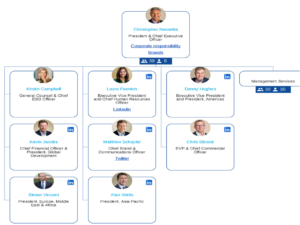
Figure 1: Artiron Motors divisional Organisation Structure
The different advantages are;
Significant specialisation– With Artiron Motors operating in international space (UK, five European countries, the US and Canada), the divisions handle communication (with clients), commercial (vehicles to corporates) and products portfolios (different regions). Specialisation is identified in CIPD (2024) as efficiency in practice with leadership in automotive sector with more than 50,000 employees, an annual revenue of £25 billion, and a pre-tax profit of £2.1 billion.
Accountable and Transparent– In figure 1 divisional structure, Artiron Motors President & Chief Executive Officer is reported by the rest of the organisation divisions. As such, they can take accountability and transparency in the entire hierarchy. As identified in Yanamala (2023), mistakes in the different divisions are managed by senior management.
Considering disadvantages, they are;
Cost-intensive implementing– The process of ensuring the different divisions is running smoothly is cost intensive which is managed by provided resources by Artiron Motors currently working to upgrade their EV production. There is also duplication of functions which could have been handled in the other departments handled by Artiron Motors (Yanamala, 2023).
Siloed mentality– With the divisional organisation structure engaging employees who operate in an independent manner, they fail in sharing information and knowledge development particularly Artiron Motors EV development. According to CIPD (2024a), the morale of employees is reduced, workflow disrupted and negative experience evident.
Underpinning Reason for use of divisional organisation structure
For Artiron Motors which embrace the structure, employees are only engaged in the divisions where they possess experience of working in manufacturing processes, support functions, and the development of new electric vehicles (EVs). As such, collaborative effort is put in place to run Artiron Motors by synchronising all the divisions together. Also, operating in a multi-national environment, there is a high potential of coordinating divisions operations internationally. This boost scope of coordination and efficient practices. The structure is hence identified to improve how Artiron Motors are coordinated and efficient.
Matrix Organisation Structure
This Artiron Motors organisation structure is made up of teams who report to multiple leadership levels for projects related to new products. According to Gomo et al. (2021), this increase innovativeness of an organisation in developing products and services targeted to new customer groups. For example, the matrix organisation structure as show in the following;
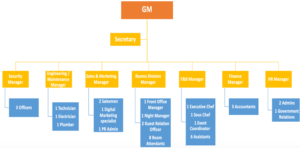
Figure 2: Matrix Organisation Structure
In terms of advantages, they are;
Immense collaboration/team-based working– For Artiron Motors, embracing the structure, their departments work in active collaboration. According to Chowdhury et al. (2022), this is with their resources being utilised in engaging external human resources. This harness efficiencies as the different departments share resources in Artiron Motors.
Decision making effective– As noted earlier, matrix structure ensure that the employees report to different management levels in Artiron Motors. As such, they are involved in coming up with the final decision made in developing new products.
Considering disadvantages, they are;
Struggling to hold power– Considering Artiron Motors which embrace matrix organisation structure, they struggle to hold power particularly in sites in the UK, five European countries, the US and Canada. This is particularly for the project and function managers. They encounter conflicts in areas of scope of practice and assigned functions.
Hindrances in making decisions– In this structure, all stakeholders most work in collaboration and active consultations prior making the ultimate decision. The consultation of multiple employees and teams takes a lot of time to complete (CIPD, 2024).
Underpinning Reason for use of matrix organisation structure
With the characteristic of Artiron Motors in multinational automotive manufacturer, engaging a higher of 50,000 staff internationally, an annual revenue of £25 billion, their management is a significant responsibility. In the organisation, there exist multiple specialisations in development of new electric vehicles (EVs) which demand various specialists’ inclusion. The different specialists operate in a team-based manner for achieving Artiron Motors set vision with multiple car buyers attracted to their vehicles.
Please click the following icon to access this assessment in full