(Solution) 5CO03 practical steps that the People Practice Team take to ensure initiatives are inclusive and reach all the people they are intended to reach (AC 2.2)
Solution
Steps for Ensuring Fairness and Inclusion
For ensuring the policy in Plyton on L&D are is fairly and inclusively pursued, the initial phase would need pursuing Training Needs Analysis for overall organisation in different departments. The training needs analysis are core for guaranteeing the organisation well positioning in L&D opportunities.
To implement, questionnaires and one-on-one engagements would be pursued for identifying relevant people and collective skills gaps in the different teams. According to Vulpen (2025), by inclusion of employees working in different functions which include admin, technicians, engineering and management lead to the process guiding prioritisation of learning focusing on entire organisation as opposed to particular teams.
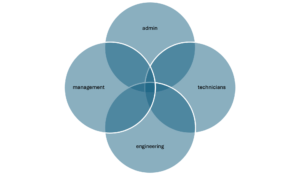
This can similarly evidence the evident gaps in accessing early growth opportunities for correctively acting in line with policies.
Another step is ensuring I work on Equality Impact Assessment (EIA) prior eventual agreement on the policies. This conducted assessment could prioritise on noting if evident roles on remunerated times used in training sessions, budgetary allocation and decisions on courses inadvently disadvantaging teams. In Ali (2023), an instance of this is the part-time employees.
In the Equality Impact Assessment (EIA) findings assist in leading change while ensuring quality on how they are treated and accessed. In Plyton, this assist them in designing the L&D policies enhancing equality in opportunity advanced to develop, reduced turnover and all teams relevant learning culture.
Evaluating Initiative Inclusivity Level
Upon the 3 months of implementing the policy, I would work on analysing specific data detailing the participation and results in entire departments and establish whether they achieve inclusivity. This entail ability to monitor staff timey provision of paid learning, spending of the training budgetary allocation and appropriate distribution of all opportunities.
The collected data categories would entail teams functions, assigned roles and patterns for patterns of workplace for noting imbalanced and excluded in Plyton. All these are essential
Please click the following icon to access this assessment in full