(Solution) Avado 50S02 AC 3.1 – Key Differences Between Facilitating Live Online and Face-to-Face Learning Activities
Solution
The key difference of the live-online learning and the face-to-face is informed by their scope of implementation. The primary aim of using the learning activities is ensuring that an organisation is successful in the delivery of L&D programs. The success is dependent on how all the stakeholders are actively engaged in the process. The areas of differences between the approaches are as explained herein;
- Techniques of Communication/Engagement
In face-to-face training, a trainer is used to sorely non-verbal communication because he or she can observe body language, eye contact, and physical presence.
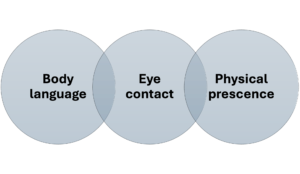
Some of these social and visual cues enable the facilitators to feel when the audience is confused, excited, or disengaged and switch the approach as quickly as possible. Real-time communication, small talk, and properties of a common physical venue, as it can leverage motivation and social learning, also can be useful to learners (CIPD, 2019).
Live online learning, on the contrary, restricts the presence of such non-verbal feedback, which, in turn, prompts the necessity of the facilitators to cultivate new digital communication possibilities. The facilitators should use such tools as polls, breakout room, chat, and reactions to prompt the involvement and verify the comprehension. This needs further strategic planning and organised patterns of interactions as online conversations are usually not spontaneous, and they can be impersonal. Students might experience isolation or be distracted and trainers must be willing to interact with them, to maintain concentration and encouragement.
- The Learning Environment Control
When we are taking part in face-to-face meetings, the learning environment is largely under control of a person facilitating it (CIPD, 2021). They have the ability to prepare a seat, adjust the room temperature, lighting, materials and reduce any other outside distraction, which provide an immersive learning environment. This ordered setting and the close proximity of each other is beneficial to learners, making collaboration and informal learning unproblematic.
However, on the contrary, live online facilitators have to struggle with a number of learners that are distributed in locations over which they cannot exercise control, e.g. home offices, or public places where learners may be distracted. Facilitators have….
Please click the Download icon to access this assessment in full