(Solution) Avado 7C002 AC1.4 People management practices currently detracting from Homestead optimising their outcomes
Solution
Recruitment and Selection Practices
Homestead’s recruitment and selection process is severely compromising organisational results. The current process, which includes short telephone interviews and unpaid two-hour in-store trials, has cost efficiency at the expense of quality and fairness. According to Sembiring & Damayanti (2023), this informal and unstructured method compromises the ability of attracting and retaining capable employees. Without competency-based assessment or job analysis, selection decisions are most often subjective and lead to a poor person-job fit. As research by the CIPD (2025) shows, when recruitment design is poor, levels of turnover, absenteeism, and disengagement will be high, all of which can be seen within Homestead’s stores.
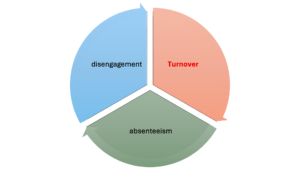
The over-reliance on casual and temporary staff in the company further restricts workforce stability and service consistency. Store managers, many of whom do not have any formal HR or people management training, make recruitment decisions without any strategic guidance. Løkke (2021) emphasises that this decentralised approach can seem efficient in the short term but creates long term inefficiencies, including constant vacancies, high training needs and productivity losses.
The absence of strategic workforce planning compound these problems. Recruitment is largely reactive and often occurs only when manpower shortages are at a critical level. Consequently, stores are understaffed, resulting in overworking and demoralizing the staff and increase the risk of shoplifting due to lack of supervision. From an evidence-based perspective, organisations that link recruitment activities to long-term workforce planning are able to more effectively retain staff and improve performance (Makhanya, 2024).
To improve employer outcomes, Homestead needs to implement a structured, competency-based recruitment process that is fair, fit and efficient. The addition of predictive analytics and workforce planning tools can assist in enhancing labour forecasting and ensure there is a sufficient number of people to satisfy organisational requirements (Sarangi et al., 2025). By professionalising recruitment and investing in manager capability, Homestead can reduce turnover, improve operational efficiency and provide a more consistent customer experience that strengthens profitability.
Learning and Development
One of the key components restricting the capability and engagement of the workforce is the limited approach of Homestead to learning and development (L&D).Employees receive little on-the-job training with a simple staff-room manual replacing structured learning. This lack of systematic development seriously limits the competence and confidence of employees. According to Garavan (2023),
Please click the following icon to access this assessment in full
Related to: https://rankedprofessionals.com/downloads/solution-cipd-new-brief-5co02-evidence-based-practice/