(Solution) CIPD Level 5 5HR01 AnchorBridge emerging trends in the types of conflict and industrial sanctions (AC 2.2)
Solution
An increase in social media usage in AnchorBridge workplace
In the modern business environment, there has been a surge in the social media use impacting the success in managing workplace conflicts. In Carneiro and Costa (2022) report, it highlights that approximately 30% of UK employees are increasingly using the social media platforms in communication pertaining to issues in their workplaces. In AnchorBridge, the increased embrace of social media platforms has contributed to transition from the traditional based raising of dissatisfaction to the modern approach which is broader. Example is the Ask Liz and “Bridge” which are online platforms in place.
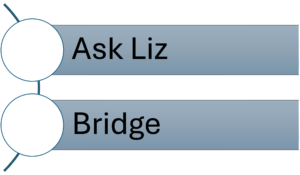
The collective action has a potential of appropriate organisation by use of social media. According to Bertschek and Kesler (2022), with employees voicing their issues on X and Facebook areas pertaining to lack of safe workplace, an organisation ends up addressing raised challenges in a swift manner owing to immense attentiveness received in public sector and media platforms. In most instances, the social medial platforms could be amplifying conflicts and AnchorBridge increasingly suffering from lost reputation owing to failure of addressing grievance on-time.
For disadvantage of the trend, the application of the social media platforms could lead to fuelling of conflicts in AnchorBridge. This is with disputes resolution affected negatively. Also, the platforms of social media cannot be controlled directly or regulated hence potential of moving overboard in AnchorBridge.
Trends of Flexible Working Arrangement in AnchorBridge (Industrial Sanctions)
For the industrial sanctions, this represent a significant trend impacting how the process is implemented. This is particularly identified as responding to the COVID-19 pandemic cases. According to Smyth et al. (2021) report, it hypothesises that as of 2024, approximately 70% of the employees prefer flexible working with a further 60% noting that flexibility in working enhance work-life balance successfully. In AnchorBridge ,There has been an increased surge in the reduction of stress issues which could lead to conflicts including need to commute, rigidity in working, balanced individualised and professional roles by facilitating remote working employees or flexibility in their assigned shifts evidenced by Jim and Tola already not being in good terms
Further, in line with Gloster et al. (2021) survey report, it noted that 40% of respondent employees view flexibility as a major determinant on their commitment and engagement in a specific job role. The outcome of this is increased autonomy in execution of assigned functions and satisfaction which lower the tension in workplaces, staff loyalty is increased, hence reducing industrial tension in AnchorBridge.
For more insights, please click the following link