(Solution) ICS Learn 5HR01 Analyse three key causes of employee grievances (AC 3.2)
Solution
3.2 Causes of Employee Grievances
Poor Management Practices
Employee grievances are usually a result of inconsistent or unfair management decisions, most so in a newly merged organisation where leadership has little public sector experience.
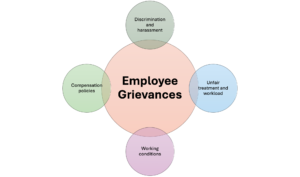
Dissatisfaction can occur from issues like favouritism, lack of transparency in decision making, and ineffective communication. According to Suff (2024), the result of this can be disengagement from employees, who feel undervalued and, in some cases, lead to disputes. Also, frustration can arise from the lack of clear performance expectations as well as inconsistent application of policies. Management should have structured policies in place to prevent grievances, train their decision makers on fair decision making, and encourage open discussion. Having a clear grievance procedure in line with Acas guidance makes employees feel heard and respected and avoids conflict, promoting workplace harmony.
Unfair Pay and Work Conditions
Collective grievances follow because of disparities in pay and work conditions, particularly after a merger (AIHR, 2024). For example, employees from one organisation may feel that they are being discriminated against in comparison to the other members in the organisation, for example, there could be perceived disparities in terms of salary, benefits or tasks. This will lead to feelings of dissatisfaction as well as lower morale, and in some cases industrial action. Regular benchmarking and transparent pay structures prevent grievances on pay equity. Under the Employment Rights Act 1996, workers are protected from unlawful deductions and reinforces the need for fair remuneration policies (Legislation.gov.uk, 1996).
Workplace Bullying and Harassment
Bullying and harassment produces a toxic workplace atmosphere with which employees have more grievances. Verbal abuse, exclusion, and discrimination affecting the employees could lead to poor mental health and productivity. In the merged organisation with a new culture, the differences in culture and the lack of established norms can compound tensions. Under the Equality Act 2010,………….
Please click the following icon to access this assessment in full