(Solution) ICS Learn 5HR03 AC 1.2: Contribution of Extrinsic and Intrinsic Rewards
Solution
An organisation’s successful performance needs effective reward management systems to enhance worker contributions according to Cotton (2023).
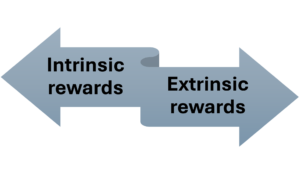
Motivation and performance outcomes derive from two main categories of rewards which researchers refer to as extrinsic and intrinsic types. Organisations need to combine extrinsic and intrinsic rewards properly to achieve sustainable engagement of employees and organisational success.
Extrinsic Rewards
Organisations provide external rewards to their workers in exchange for completed assignments (AIHR, 2024). Intrinsic rewards at an organisation include salary beside bonuses and incentives and benefits including pensions and healthcare as well as non-monetary perks such as company cars and paid holidays (Armstrong & Taylor, 2020). Employees find extrinsic rewards advantageous because rewards directly link to performance outcomes which generates quick motivation for work. A performance-based incentive system established at Eco-Insulate UK would drive employees to boost their efficiency while keeping their work tasks directly connected to organisational targets.
However, extrinsic rewards have limitations. The excessive use of financial rewards creates temporary work drive which fails to create lasting employee commitment and job satisfaction (Brewster et al., 2016). When employees concentrate exclusively on incentives they might neglect work quality and their motivation levels sharply decrease when incentives are reduced or eliminated. The disparity between employee rewards through pension benefits at Eco-Insulate UK that favours upper-level staff creates employee resentments which worsens organisational culture. Extrinsic rewards remain crucial but organisations must use intrinsic motivations together with them to maintain employee performance levels.
Intrinsic Rewards
Employees attain psychological fulfilment through their work activities which produces intrinsic rewards. Employees at Eco-Insulate UK can access four intrinsic reward elements that include job autonomy, meaningful tasks, personal growth, recognition, and career advancement opportunities (Young, 2023). Organisations can boost employee commitment through intrinsic motivational factors…………..
Please click the following icon to access this assessment in full
Related to: https://rankedprofessionals.com/downloads/solution-5hr03-ac-1-1-principles-of-reward/