(Solution) ICS Learn 5HR03 AC 3.1: Assess the Business Context of the Reward Environment
Solution
Organisational rewards receive structure and management through elements which originate both external and internal of the business structure (Cotton, 2023).
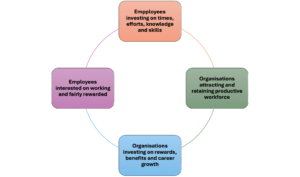
Reward systems are influenced by economic situations as well as industry patterns and regional uniqueness alongside organisational culture types. Organisations must understand external and internal elements for designing rewards systems which correspond to their core targets in addition to meeting employee expectations.
Economic Conditions
Economic trends play a significant role in shaping the reward environment. For example, during periods of economic growth, companies may have more resources to offer competitive salary packages, bonuses, and benefits (Boys, 2024) . In contrast, during recessions or economic downturns, businesses may struggle to provide financial rewards, often focusing on non-financial incentives like recognition and flexible working arrangements. A positive economic environment can lead to higher employee satisfaction, as financial rewards are seen as a reflection of organisational success. However, economic constraints can limit reward offerings, potentially leading to employee dissatisfaction or higher turnover.
Industry Trends
The particular industry technicalities affect the reward environment through multiple industry-specific trends. Business sectors that compete intensely within technology and finance must usually provide enticing pay benefits and performance-based bonus structures for maintaining their top-level employees (van Vulpen 2019). Public service entities typically reinforce their reward system through job stability programmes and pension plans and professional training opportunities because their funding is constrained. The different reward programmes across industries adapt to market competition needs while respecting company financial capabilities.
Regional Differences
The pay structures of organisations……..
Please click the following icon to access this assessment in full