(Solution) Module 1: Managing Expenditures with Suppliers
Solution
Executive Summary
This assessment reviews and evaluates the procurement strategy at TAQA Water Solutions, focusing on achieving value for money and operational excellence within a high-priority service category. The selected category of spend is Wastewater Collection, Treatment, and Reuse Services, which includes recycled water production and biosolids management. This service is essential to supporting TAQA’s environmental sustainability goals, meeting regulatory obligations, and ensuring the safe and efficient management of wastewater from residential, commercial, and industrial sources. The information in this report has been drawn from the company’s internal documents, operational insights and market intelligence relevant to this category. Several analytical models were applied, including STEEPLED analysis to assess external market influences, Porter’s Five Forces to gauge competitive pressures, SWOT analysis to evaluate organizational capabilities and risks, and Mendelow’s Matrix to map stakeholder influence and interest levels.
The key findings of this report indicate that TAQA operates in a competitive yet constrained supplier market, with significant external pressures from rising energy costs, evolving environmental regulations, and growing demand for resource recovery solutions. Suppliers capable of offering energy-efficient technologies, biosolid reuse systems, and digitalized treatment processes are emerging as strategic partners for future growth. Furthermore, market conditions highlight a limited pool of technically qualified suppliers, underscoring the need for proactive engagement and outcome-based contracting.
Based on these findings, the following recommendations are made:
- Enhance supplier pre-qualification process by prioritizing providers with proven expertise in energy-efficient and resource recovery technologies.
- Engage suppliers during the specification and planning stages to encourage innovation, ensuring technical feasibility, and reducing later-stage cost variations.
- Increase the use of digital procurement tools and data analytics to track pricing trends, supplier capacity, and market conditions in real-time.
- Review the existing long-term agreements, ensuring built-in price review clauses are linked to clear KPIs and market benchmarks.
Table of Contents
1.1 Organization’s Background. 4
2.0 TAQA Water Solutions Stakeholder Analysis. 6
2.1 Importance and Stakeholder Impact 7
2.1.1 The Mendelow’s Matrix. 7
3.0 Market Analysis and Value for Money. 11
3.1.2 Porters 5 forces Analysis. 14
4.0 Cost Management Approaches. 17
5.0 Market Condition on Cost Savings. 19
6.0 Conclusion and Recommendations. 22
Appendix 1: Smart Water Management Market 29
Appendix 2: Current Capacity of Water Reuse and Desalination. 29
Figure 1: Summary of TAQA Water Solutions Core Business Areas. 4
Figure 2: Taqa water solutions stakeholder categories. 7
Figure 3: The Mendelow’s matrix. 8
Figure 5: Global Wastewater Treatment Services Market Size (in Billion) 11
Figure 6: Key Buyers in the Wastewater Treatment Market 12
Figure 7: Porters 5 forces Analysis. 14
Figure 8: TAQA Water Solutions SWOT Analysis. 16
Figure 9: TAQA Water Solutions Key Cost Levers. 17
Figure 10: Energy consumption in the water sector by process 20
Figure 11: Reclaimed Water Market 21
Table 1: A summary of infrastructure and operational scope of the spend Category. 6
Table 2: STEEPLED Analysis for TAQA Water Solutions. 14
Table 3: A summary of TAQA Water Solutions Cost Management Approaches 19
1.0 Introduction
1.1 Organisation’s Background
Since its establishment, TAQA Water Solutions has grown into a recognized regional leader in delivering sustainable, reliable, and efficient water management services. The company operates as a specialist subsidiary under the Abu Dhabi National Energy Company (TAQA Group), focusing on the development and management of integrated water and wastewater projects across the UAE and international markets (Taqa Water Solutions, 2025). The organization plays a strategic role in supporting national sustainability targets by providing services that promote water conservation, environmental protection, and operational efficiency.
A summary of the organization’s core operational functions is as illustrated in Figure 1;
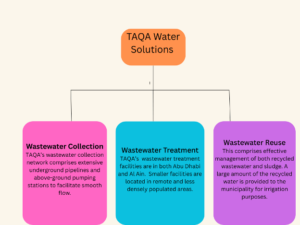
Figure 1: Summary of TAQA Water Solutions Core Business Areas
Source: Taqa Water Solutions (2025)
As seen in Figure 1, TAQA Water Solutions’ services include the collection, treatment, and safe reuse of wastewater from residential, commercial, and industrial clients. The organization also specializes in producing high-quality recycled water for irrigation and industrial cooling applications while transforming biosolids into useful by-products (Taqa Water Solutions, 2025). Its operations directly support national water security strategies and environmental commitments, contributing to economic growth, resource efficiency, and enhanced public health outcomes.
1.2 Category of Spend
The selected category of spend for this assignment is Wastewater Collection, Treatment, and Reuse Services. This forms one of the most critical operational and capital expenditure areas within TAQA Water Solutions. The service includes the collection of wastewaters from residential, commercial, and industrial clients, followed by advanced treatment processes, and the reuse of treated water for purposes such as landscape irrigation, industrial cooling, and environmental applications (TAQA Water Solutions ,2025). The management and beneficial reuse of biosolids produced from the treatment process are also part of this spend category.
This category is significant as it directly supports the company’s strategic objectives in environmental sustainability, operational efficiency, and regulatory compliance. According to Asaba (2024), it ensures the safe disposal and reuse of wastewater while aligning with national water security and sustainability goals. Furthermore, the rising demand for recycled water and environmentally responsible waste management has positioned this spend category as essential in maintaining operational resilience and contributing to economic diversification.
A detailed summary of this category’s infrastructure and operational scope is presented in table 1;
| Category Details | Quantity | ||
| Treatment Plants |
|
||
| Km length of house connection lines | 2,948 | ||
| Pump Stations (Including 42 Terminal Stations) | 259 | ||
| Km length of main pumping lines | 793 | ||
| Km length of sewer lines (gravity and others) | 8,943 | ||
| Km length of sewer lines ≥ 400mm (included above) | 992 |
Table 1: A summary of infrastructure and operational scope of the spend Category
Source: Summarized from Taqa Water Solutions (2025)
This table highlights the extensive infrastructure managed under the wastewater services category, reflecting the operational complexity and investment significance for TAQA Water Solutions. Given the scale of treatment plants, sewer networks, and pumping stations, this category demands continuous procurement, maintenance, and service contracts.
2.0 TAQA Water Solutions Stakeholder Analysis
Stakeholders are recognized as individuals or groups exerting direct or indirect influence on an organization’s strategies, operational goals, and procurement policies (Fernando, 2024). Stakeholders differ by organization, shaped by market operations and business activities. According to CIPS (2025), they are typically categorized into Internal Stakeholders, Connected Stakeholders and External Stakeholders.
For TAQA Water Solutions, internal stakeholders include staff, senior management, the procurement department, operations and maintenance teams, the finance department, and HSE personnel. These parties directly influence procurement through operational demands, financial control, and compliance requirements (CIPS, 2022).
Connected stakeholders include government agencies, municipal authorities, and suppliers. These groups hold operational, regulatory, and supply chain influence over procurement, with interest in service continuity, public health, and commercial partnership (Nasrudin, 2025).
External stakeholders comprise customers (industrial, commercial, and residential), environmental advocacy groups, and regulatory authorities overseeing environmental and public health standards (Nandedkar, 2025).
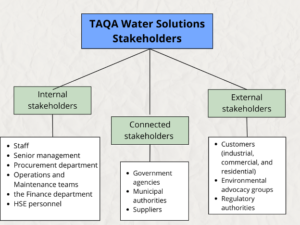
Figure 2: Taqa water solutions stakeholder categories
Source: Taqa Water Solutions (2025)
2.1 Importance and Stakeholder Impact
2.1.1 The Mendelow’s Matrix
To effectively categorise and analyse stakeholders in procurement activities, the Mendelow’s matrix is a highly practical model. This tool helps organisations like TAQA Water Solutions identify the position of different stakeholders based on their level of power to influence decisions and their interest in procurement outcomes (Indeed, 2024). The matrix divides stakeholders into four distinct categories: Key Players (High Power, High Interest), Keep Satisfied (High Power, Low Interest), Keep Informed (Low Power, High Interest), and Monitor (Low Power, Low Interest) as shown below;
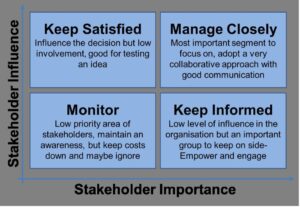
Figure 3: The Mendelow’s matrix
Source: Francis (2024)
In the case of TAQA Water Solutions, the matrix can categorise the stakeholders as follows:
Keep Satisfied (High Power, Low Interest): Stakeholders in this group, such as regulatory authorities and major environmental regulators, hold influence over procurement through approvals and compliance but may not be actively involved daily. They should be updated regularly to maintain their support (Weijers, 2025).
Manage Closely (High Power, High Interest): These stakeholders have significant authority and active interest in procurement decisions (Francis, 2024). For TAQA, this includes senior management, government ownership representatives, and procurement directors. They must be engaged consistently and involved in decision-making.
Monitor (Low Power, Low Interest): Stakeholders like the general public and media require minimal effort but should be observed for potential risks that could arise unexpectedly.
Keep Informed (Low Power, High Interest): This includes operations teams, suppliers, and HSE personnel who are directly affected by procurement outcomes. Their feedback is valuable for operational success, so clear, consistent communication is essential (Cuofano, 2024).
By plotting stakeholders on this matrix, procurement professionals can prioritize engagement strategies. For example, senior management, government authorities, and procurement directors typically fall under Key Players due to their authority and direct involvement in procurement decisions. Environmental regulators and municipalities may hold high power but lower day-to-day interest, placing them in Keep Satisfied. Operational teams and suppliers often have a high operational interest but limited influence, making them part of the Keep Informed category. According to Manuel (2024), using this model ensures resources are focused on the most influential stakeholders while maintaining awareness and communication with others.
2.1.2 The RACI Matrix
Please click the following icon to access this assessment in full
Related;https://rankedprofessionals.com/downloads/solution-cips-assignment-1-pdv-roshn/