(Solution) Module 6 – Project, Programme and Change Management
Solution
Incorporate Contractor’s Wellbeing in Lenses of ESG Risks Compliance and Commercial Implication of ADNOC Contracts
Word Count: 10,112 Words
Table of Contents
1.1 Project Key Terms/Variables. 5
1.3 External Environment Analysis. 8
2.1 ADNOC Organisation Background. 9
2.2 Importance of this project 10
2.3 ADNOC Organisation structure and PS&M.. 12
3.0 Chapter 3: Current Situation. 14
3.1 Existing Health and Wellbeing Initiatives in ADNOC.. 14
3.2 Specific Contractors Wellbeing Initiatives in ADNOC Organisation. 17
3.2.2 Kraljic Matrix Analysis. 18
3.3 Strategies for Implementation of Contractors Wellbeing in ADNOC.. 20
3.4 Analysis of different risks in the contractors wellbeing initiatives implementation. 22
4.0 Chapter 4: Work Undertaken- Research Methodology and Findings. 23
4.1 Research Methodology Process. 23
4.2 Summary of the Research Findings. 24
4.2.1 Analysis of stakeholders management 24
4.2.2 Implementation strategy of wellbeing strategies. 26
4.2.3 Circular Economy Analysis and Reducing Wastes. 27
4.2.4 Ethics-based sourcing and labour strategies. 28
4.2.5 Analysis of Supply Chain Transparency and Traceability Process. 29
5.0 Chapter 5: Interpretations of Analysis and Conclusions. 30
5.1 Analysis of stakeholders management 30
5.2 Implementation strategy of wellbeing strategies. 32
5.4 Implementation of Contractors Wellbeing Initiatives. 36
6.0 Chapter 6: Recommendations. 44
Appendix 1: Questionnaire and Interviews. 53
Appendix 2: Questionnaires and Interviews Answers Summary. 55
Survey Questions Answers Summary. 55
Interview Questions Summary. 62
Figure 1:Phases of PS&M and need for contractors wellbeing. 6
Figure 2: 3P’s of Business Sustainability. 8
Figure 3:CIPS Guidelines of Change Management. 10
Figure 4:Balogun and Hope Model 11
Figure 5:5 Rights of Procurement Model 12
Figure 6:Summary of ADNOC Supply Chain Network Components. 13
Figure 7:ADNOC Tiered Supply Chain Network. 13
Figure 8:Product lifecycle in Popularity of ADNOC contractors wellbeing program… 15
Figure 10:Situational Analysis by Kraljic Matrix. 19
Figure 11:Alexis Bateman and Leonardo Bonanni Model 21
Figure 12:Classification of risks in project management. 22
Figure 13:Different respondents in questionnaire data.. 25
Figure 14:ADNOC Contractors wellbeing initiatives in lenses of ESG.. 25
Figure 16:Circular economy and contractor wellbeing approaches. 27
Figure 17:Ethical-based sourcing and labour-based strategies. 28
Figure 18:Supply chain traceability and transparency. 29
Figure 19:Mapping of Stakeholders Analysis. 30
Figure 20:Stakeholders in implementation of Contractors wellbeing. 31
Figure 21:Summary of Complexity Analysis in ADNOC Contractors wellbeing implementation 35
Figure 22:Kotter’s 8 Phases of implementing change as part of the project. 37
Figure 23:Tuckman’s stages of group development in contractors wellbeing strategies. 38
Figure 24:WBS application in project implementation.. 42
Table 1:STEEPLED Analysis summary. 33
Table 2:Cross-functional teams roles in contracts wellbeing implementation. 40
Table 3:Summary of Gantt Chart used in implementing the Project. 41
Table 4:Stages of work breakdown and implementation.. 42
Executive Summary
In summary, this project was intended in pursuing an investigation of evaluation of the impact of incorporation of contractors wellbeing. This is by prioritising on factors of ESG which is broad from the current 3Ps strategy in application in ADNOC operating in the oil and gas sector in UAE. This research rationale is evidenced by fact that after COVID-19 pandemic, organisations have been investing significantly on contractors health and wellbeing with systems invested in successful operations. The key findings in this report evidence that for success in implementing the contractors wellbeing, engaging all stakeholders is essential for successful implementation. Also, this research findings evidence that the primary data using questionnaires and interviews have been sourced for successful achievement of the sourced findings. A different major key finding note that investing on contractors wellbeing would further lead to ADNOC capitalising on competitive advantage and profits acquisition as part of the organisation oil and gas industry. The initiatives improve contractors wellbeing as core to budget resource to implement the strategy successfully. In summary, the findings in this project would enhance contractors wellbeing successfully contributing to the identified results;
- Improving contractors overall health and wellbeing metrics and their different stakeholders
- Engaging contractors sensitive with enhancing good labour relations with their employees hence aligned with legislations of sustainability in UAE and internationally
- Ethical sourcing and good labour practices in their entire supply chain network
- Pursuing principle of circular economy as part of their supply chain network by reducing wastes as part of sustainable wellbeing initiatives
From the analysis of different models and theories, it is clear ADNOC has already put in place initial strategies for implementing stakeholders wellbeing. Despite of the immense input prioritised, there are significant input pressure by stakeholders to address the issues of wellbeing impacting the contractors. Since the organisation has been identified to be insufficient in investing on wellbeing strategies, the process would be holistic and aligned with organisation objectives of achievement of vision 2030. For the purpose of integrating or incorporating the contractors wellbeing as part of ADNOC culture, the key findings from external analysis note that their supply chain efficiency and effectiveness would need to be prioritised. This is while mitigating barriers in areas of supply chain disruption for the contractors wellbeing successfully managing their overall wellbeing.
In order to obtain the data embraced in the current project, it has identified primary data sourced by application of questionnaires and interviews have been embraced. A successful analysis has been pursued and aligned with the secondary research from the different sources in place. This is with challenges faced to incorporate contractors wellbeing for contracts implementation put in place. Further, a set of CIPS modules and techniques have been embraced guided by CIPS Module notes for achieving the project aim aligned with ADNOC short and long-term objectives.
Chapter 1: Introduction
1.1 Project Key Terms/Variables
Due to past disruptions by COVID-19 of supply chain network, health and wellbeing is categorised as critical aspect by Procurement Supply Chain and Management (PS&M). To support the relevance of health and wellbeing among PS&M, CIPS (2024) report evaluating supply chain resilience in face of global disruption, health and wellbeing impact on efficiencies and costs management in times of uncertainties. Apart from the uncertainties, ADNOC has over the years been exploring onshore and offshore operations for their expansion. The identified factors cumulatively contribute to an increase in the stakeholders number engaged in ensuring a successful operations. For these stakeholders, success in their operations with key indicators being profitability and dominating UAE and international oil and gas sector.
In line with Green Economy (2024) report, UAE oil and gas industry has been investing on different strategies aimed at enhancing sustainability and environment conservation. These strategies are equally reflected on the organisations PS&M operations. Part of their investments have involved exploring existing renewable energy source and implementation in green supply chain approaches. The initiatives which have already been advanced in ADNOC are linked with 3P’s (Planets, People and Profits) which anchor their sustainability strategies (ADNOC, 2024). Despite of the relevance of ESG in modern organisations enhancing sustainable practices, ADNOC is yet to embrace Environment, Social and Governance (ESG) risks and commercial-based implication contracts.
In UAE, they operate through the strategic vision 2030 which intend to ensure that the country has achieved net zero carbon emissions (UAE, 2024). With ADNOC being a 70% UAE government owned, the initiatives for achieving the vision are equally pursued by the organisation. Through an address of the different wellbeing of the contractors by prioritising on aspects of environment, social and governance (ESG) risks and commercial-based implication of contracts. This imply that ADNOC need to work on remodelling of their of their PS&M operations particularly in their supply chain. The remodelling would be intended to enhance spending on contractors wellbeing and integrated to their operations. This entail a leverage to champion change strategy and initiate standards to craft quality issues to ensure tendering phase embrace appropriate wellbeing standards. Similar to CIPS guidelines, the success of the PS&M in enhancing contractors health and wellbeing is by adopting the phases as illustrated in the following;
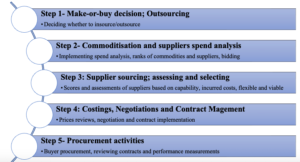
Figure 1:Phases of PS&M and need for contractors wellbeing
Source: Summarised from CIPS Module Notes
To summarise the different steps in figure 1, for the first step involving decision on if to insource or outsource decision on relevant approaches which set priority to wellbeing of contractors is pursued. A case example is ADNOC improving internal stakeholders wellbeing through prioritising on their interest when insourcing. Further, the spend analysis, ranking commodities and suppliers and bidding ensure that the best suppliers are identified. These suppliers are supported with resources for enabling them to successfully execute good working relations. This is with services delivery transformed in third phase by scoring the suppliers in terms of their capability and flexibility. The best contractors with appropriate health and wellbeing would score significantly higher than the others. The procurement activities in the last stage would be done in a sustainable manner from the review of contracts and performance measurements.
For ADNOC organisation, their already existing strategies for improving contractors wellbeing are inadequate as it does not prioritise the factors of ESG (Sadiq et al., 2023). Through an operation in the lenses of ESG, being an oil and gas company enhance their sustainability. This is while ethically implementing labour requirements, implementing circular economy and reducing wastes and achieving supply chain transparency and traceability. However, their initiatives are still inadequate and not conclusive in terms of investing on sustainable strategies. This is evidenced to lack initiatives for investments on ESG which are most recent in the modern business environment (Sustainability news, 2023). The most the organisation have done is investing on ESG which are limited to their achievement which is not always the case. Hence, for the current research project, the focus is “Incorporate Contractor’s Wellbeing in Lenses of ESG Risks Compliance and Commercial Implication of ADNOC Contracts”.
The results obtained in this project would guide ADNOC in prioritising on areas of Environment, Social and Governance Risks and commercial aspects of contracts in oil and gas sector operations. For all the stages (see figure 1), the different wellbeing strategies would be part of their operations with negotiations and contract management. In all the phases of contract management, contractors wellbeing would be prioritised and included for successful contracts management or tendering process. This is particularly essential for ADNOC and their later identified stakeholders to manage challenges associated with access, delivery of contracts management and incurred costs. Therefore, there is a need for this project to pursue an evaluation of scope of incorporation of their different contractors wellbeing. The outcomes would be used in identifying how this assist ADNOC to gain commercially in terms of competitive advantage and operations in the UAE and entire Middle East oil and gas industry.
1.2 Scope of this Project
As stipulated in the section 1.1 of this project, the aim is to investigate integration of contractors wellbeing by focus of factors of ESG risks and commercial implication of contractors for ADNOC organisation. This focus is guided by view that ADNOC has been working towards investing different initiatives for implementing health and wellbeing of all their stakeholders. The strategies which are invested by ADNOC albeit of their sustainability they fail in evaluating ESG risks management and contractor wellbeing improvement (Campbell & Gunning, 2020). Their operations in the area of contractors wellbeing are primarily in the area of Triple-Bottom Line (3P’s). This is as illustrated in the following;
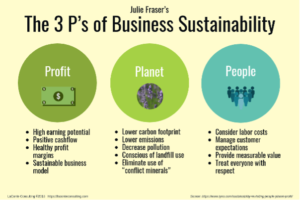
Figure 2: 3P’s of Business Sustainability
Source: Summarised from CIPS Module Notes
As part of contract management, for investing on appropriate health and wellbeing initiatives, external business environment analysis of all stakeholders (contractors & suppliers) needs to be prioritised. These would be integrated in sourcing strategies and noted recommendation. By successfully integrating contractor wellbeing, the ADNOC and other organisations supply chain priority can be to source strategies and low-carbon technology invested on. The scope of this would be on areas of environment management, labour approaches, circular economy, reducing wastes and transparent and traceable supply chain.
1.3 External Environment Analysis
The concept of contractors wellbeing is largely impacted by the external environment factors due to its effect to multiple stakeholders. In specific, CIPS (2024b) identify that by evaluating external environment factors, it is important to understand the effects of volatility, uncertainty, complexities and ambiguous (VUCA) world to contractors wellbeing. Hence, external environment would guide the embrace of relevant technology, coordinate contractors operations, controlling relations and sustainable operations of category managers all integrated. The technology which is a huge external environment factor would influence contractors wellbeing at the scope of guiding opportunity integration, visible practice and to save resources (Badi et al., 2021).
In UAE external business environment where ADNOC operate from, priority is on use of spend analytics data as an appropriate technology for guiding how wellbeing is managed. Further, category management success and sourcing strategy pursued with no barriers. The strategic agenda for ANOC Post-COVID pandemic has been ensuring that all their stakeholders benefit from an improved health and wellbeing standards. This can equally be enhanced to their different contractors both onshore and offshore which is currently not in place. According to Greiner et al. (2022), improvement of the contractors health and wellbeing is informed by the fact that organisations are increasingly prioritising on engaging outsourcing and contracted work arrangements.
2.0 Chapter 2: Background
2.1 ADNOC Organisation Background
Abu Dhabi National Oil Company (ADNOC) is a UAE based organisation which has been in operations since 1971 owned fully by the government. As evidenced in ADNOC (2023) the organisation has a network of holistically integrated businesses operating in the entire energy value chain. This assist the organisation to responsibly achieve requirements in their continuously changing energy market. The organisation is a leader (top tier) of low level carbon intensity oil and gas producer globally and pursuing significant phases in ensuring current energy is clean while at the same time having investments for future energy. Through their sustainable strategies in their value chain, the organisation is significantly strengthening their positioning in terms of reliability and responsibility as an international energy provider. As part of their global strategic approach to manage their supply chain, ADNOC has invested in $23 billion for advancing and accelerating their global supply chain network and corporate performance. This is in their ambition of achieving net zero emissions as of 2045. Based on this background information, this business repot intend to evaluate global strategic approach used in ADNOC for management of their supply chain.
For achieving the identified goals, ADNOC engage an upward of 70,000 employees of 80 regions origin and more than 100,000 contractors both onshore and offshore operations (ADNOC, 2024). The organisation operations are guided by embrace of Emiratisation (in-country) value which include prioritising the local contractors over the international ones. This is intended to enhance sustainable operations and adhering to entire requirements in their external business environment.
2.2 Importance of this project
In today business environment, administrations (governments) and societies invest in developing relevant systems for sustainable practice. According to Hamilton (2022), these include health and wellbeing strategies for all stakeholders. In this case, this project intend to evaluate the best practice in integrating wellbeing initiative for employees as part of implementing a contract. As the best practice, improving the wellbeing of contractors would mean efficiency and effectiveness of ADNOC operations onshore and offshore. The rationale of this the organisation would in a position of solving all the issues and challenges faced due to lack of appropriate wellbeing strategies.
Further, from the findings obtained in this report, appropriate recommendations are generated. These are intended to enhance incorporation of contractors wellbeing to mitigate risks and challenges linked with lack of effective wellbeing of contractors. Since a successful implementation of contractors wellbeing would need change embrace, application of CIPS guidelines on change management process (CIPS, 2024c) would be put into account;
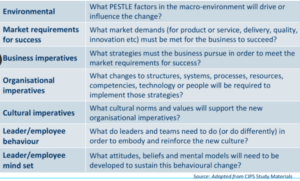
Figure 3:CIPS Guidelines of Change Management
Source: CIPS Module Notes
For change management, the consideration entail environment, market demands, business imperatives, imperatives of organisation, culture, leadership and relations with employees (CIPS Module Notes). Therefore, through an active incorporation of wellbeing strategies as part of contract management, cultural strategies would be prioritised I the change process. In line with Balogun and Hope Model illustrated in Module 5 Notes, change strategy is incremental. The outcomes of change process lead to successful adaptation and evolvement. The wellbeing of the contracts improvement would be in line with the model factors;
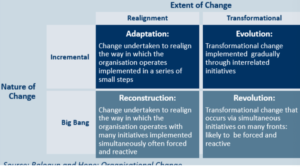
Figure 4:Balogun and Hope Model
Source: CIPS Module Notes
The necessity of change is informed by the fact that ADNOC relationship with their contractors would improve efficiencies, effective making of decisions with incurred revenues lowered and cost overrun (James Redmond & MBS, 2023). In a significant timeline, ADNOC organisation priority has only been limited to evaluating the appropriateness of their contractors performance specifically in times of COVID-19. As explained in earlier section, this is pursued by use of 3Ps Triple Bottomline. This is not holistic as the organisation fails in embracing ESG which would enhance value-based success and detailed differentiation of contractors and ADNOC relations.
In ADNOC report ADNOC Gas (2024) which evaluate the organisation sustainable operations, challenges with costs , delayed contractor involvement and lacking inclusion in contract management are common and popular. Additionally, ADNOC recognise the relevancies of wellbeing with PS&M I the organisations lacking sufficient confidence and understanding of how to implement the strategy. Therefore, the PS&M in ADNOC Ought to enhance engagement process through incorporation of contractor wellbeing to improve success in the process and shared with stakeholders. Further, ADNOC is yet to put in place appropriate policies and systems significantly impacting improvement of contractor wellbeing. This evidence presence of major gap in PS&M operations and success as highlighted in ADNOC Vision 2030. The existing data in ADNOC highlight that the organisation has already invested 20% of their overall resources in developing wellbeing strategies specifically their staff.
Further, with the contractors wellbeing being broad and multi-faceted, Campbell and Gunning (2020) note the necessity for improving stakeholders relationships. This also has a direct impact on necessity for improving PS&M planning and transforming their operations in future. For explaining the impact of this, 5 Rights of Procurement Tool would be used as guided in CIPS Module Notes;
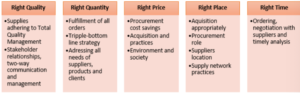
Figure 5:5 Rights of Procurement Model
Source: CIPS Module Notes
In summary, considering the 5 Rights of Procurement model used in ADNOC, it is essential for ensuring engagement of best and qualified suppliers for all their spend categories contractors (CIPS, 2023). This is guided by scope of how compatible the contractors are and improvement of entire wellbeing. This is while ensuring they are credible, reliable and innovativeness. The implementation of sustainable relationships would be mirroring success in contractors wellbeing achieved successfully (Xu, 2024).
2.3 ADNOC Organisation structure and PS&M
The supply chain strategy used in ADNOC is based on need for providing best services to their customers, effectively and less costly services while achieving in terms of environment, health and safety features. According to DFreight………
Please click the following icon to access this assessment in full
Related to;https://rankedprofessionals.com/downloads/solution-apgpm-mena-syndicate/