(Solution) CIPD Level 5 5HR01 ‘good work’ and how it can be designed at AnchorBridge (AC 1.4)
Solution
‘Good work’ Concept– This is defined By CIPD (2024c) as inclusive of development of appropriate working environments enhancing staff well-being scope, how they are engaged and individual growth. The main focus is to ensure Senior Leadership Team are respectfully managed, support obtained and empowerment for achieving a success in professional and personal fonts. The outcome of this is to create a business sector encouraging work-life balances, fair-based operations and development strategies. The better working lives is identified in ACAS (2023) as driving improved job satisfaction, lower stress levels and good staff retention improving the entire organisation success.
Ways of Designing ‘good work’
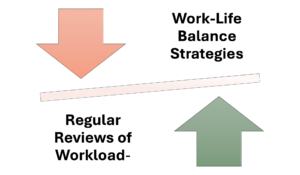
Work-Life Balance Strategies– The core strategy to design appropriate working lives entail promoting work-life balance assisting stress levels reduction and ensuring satisfaction of staff. According to CIPD (2024d), the flexible working arrangements such as remote-based work, flexibility in hours of working and compressing working weeks guides balanced personalised and professional-based commitment in AnchorBridge. The outcome of this is noted in CIPD (2019) to increase staff wellbeing through their positioning in management of work life balance.
Further, in AnchorBridge, having initiatives for wellness including mental health facilitation, managing entire stress issues and enrolling to gym sessions increase overall work-life balance. AnchorBridge prioritising on flexible working and their employee’s wellbeing end up possessing immense engagement and retention scope. According to Alshemmari (2023), this is owing to the provided support process and employees’ empowerment for executing their roles in optimum without sacrificing themselves individually.
Regular Reviews of Workload– This is a strategy which is used to create good work by regularly reviewing if assigned workload for employees is real and easily managed (Findlay et al., 2021). AnchorBridge Employees who are overburdened could contribute to increasing burnouts, reduced satisfaction in job roles and immense turnover. Hence, a continuous analysis of workload in AnchorBridge is important ensuring they represent staff capability and overall wellbeing. As evidenced in Kinman (2021), this entail having clear job specification, SMART targets set and open-based interaction on challenging workloads done in AnchorBridge.
As evidenced in CIPD (2024c), the responsibility of the management is to be engaged actively with teams for identifying immense pressures in place with management of all tasks and requirements appropriately. In the AnchorBridge which continuously review staff workload gain increased engagement and morale as they have a feeling of their workplace recognising wellbeing scope. An appropriately organised workload enhance performance, reduce stress-levels improving overall work-life balance for staff (Dwitanti et al., 2023). This lead to appropriate and sustainability in AnchorBridge Iine their facilities management functions.
For more insights, please click the following link