(Solution) CIPD Level 5 5HR01 thirdparty interventions appropriate for AnchorBridge managing the conflict between Jim and Tola (AC 2.3)
Solution
Third Party Conciliation– This is defined in ACAS (2024a) as a strategy of involving a neutral standing conciliator to resolve disputes. Their function is voluntarily, and in-depth discussions enhanced in Jim and Tola conflict. In UK for instance, ACAS play the role of a conciliator to handle entire employment challenges prior transitioning to tribunal hearings.
Mediation– In a conflict, for two or more than this parties in a disagreement, mediator is engaged. In Jim and Tola conflict, It is informally implemented with an intention of effective interaction and to maintain sustainable relations (ACAS, 2024a). For instance, a mediator guide to resolve the dispute amongst the staff in a new organisation having challenges in their interactions.
Arbitration– This is a formalised strategy and impartiality in arbitrating with the arbitrator engaged in reviewing pieces of evidence, make a bind and decisions which do not bind successfully. According to Bobirjon o’g’li (2023),in Jim and Tola conflict it is embraced in mitigating industry challenges including the merging organisations failing in agreeing on pay increase with arbitrators engaged in deciding on fairness in rewards provision.
Difference of Third-Party Conciliation, Mediation and Arbitration
The three vary in lenses of;
- Formality extent
- Control compared to results
- Enforceability
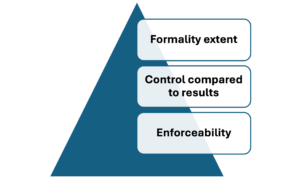
For the third-party conciliation, ACAS (2024a) is significantly an informal method for advisory with a conciliator who assume a neutral role facilitating as opposed to imposing decision making. In Jim and Tola conflict This approach is appropriate for mitigating disputes escalation particularly for organisations operating in public sector with employees holistically assured of relevance of policies in place. Besides, the conciliation is not fully binding to all players with a possibility of the involved parties disagreeing with the final proposals/solutions generated.
in regard to mediation, for Jim and Tola conflict, this is voluntarily implemented despite emphasising on collaboration where the different parties engage each other and attempt to develop a solution which is accepted by all. According to Bobirjon o’g’li (2023), the process is more successful when used in interpersonalised conflicts such as tensed relations amongst the employees and managers in an organisation. The mediation is known to be able to make parties work in collaboration despite often failing to resolve issues.
Further, another difference is that arbitration is formal with an arbitrator irrespective of binding or non-binding is engaged in decision making. For Jim and Tola conflict It is relevant for managing legislations and contract emerging disputes such as disagreeing on employment terms initiated. The outcome of arbitration is allowing a detailed solution which is cost-intensive and controlling employees. According to CIPD (2024), the conciliation and mediation is appropriate to manage integration issues since they promote harmonious relations in workplaces. For Jim and Tola conflict, The embrace of all strategies is best recommendation as it means optimum gains.
For more insights, please click the following link