(Solution) Northampton HRMM058 Individual written report
Solution
Contents
Dimensions of Employee Engagement 3
Focus of the Engagement Strategy. 3
Issues, Problems and Challenges. 4
Cultural Differences Impact on Engagement Strategy. 5
Role of Managers in Supporting Employee Engagement 5
Training and Development Program.. 6
Responsibilities for Delivering Recommendations. 9
Table 1: Estimated Costs for Cross-Cultural Training. 8
Table 2: Estimated Costs for Incentive-Driven Learning Programs. 8
Table 3: Estimated Costs for Regionalized Training Delivery & Feedback Systems. 8
Introduction
Employee engagement has become a key driver of organizational success in a rapidly globalizing business environment, especially for multinational organizations like Linde. Through expanding operations into a variety of markets, Linde must ensure high levels of employee engagement in order to sustain productivity, innovation and operational efficiency. This report considers strategies for improving employee engagement in three different international locations and outlines a training and development program for managers to improve engagement in a diverse cultural context. The report explores how the combination of psychological needs and meaningful workplace experiences creates engagement using Self-Determination Theory (SDT) and Kahn’s Theory of Employee Engagement. Due to different leadership styles and cultural expectations of the respective regions, engagement strategies have to fit with the local workforce dynamics. Linde can create a motivated, productive and committed workforce by addressing cross cultural challenges, equipping managers with essential competencies, and implementing structured engagement initiatives.
Literature Review
Employee Engagement
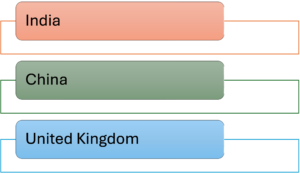
Employee engagement is a multidimensional concept representing an employee’s psychological and emotional connection to their work (Lemon & Boman, 2022). The concept of employee engagement has been defined in many ways, reflecting different aspects of commitment and motivation. Some scholars define it as an employee’s willingness to put effort, energy, and passion into their job which leads to satisfaction and higher performance (Saks, 2022; Riyanto et al., 2021). Chanana & Sangeeta (2020) define engagement as a dynamic state in which individuals feel valued, empowered, and aligned with organizational goals. It deals with cognitive, emotional and behavioral dimensions that reveal to what extent employees connect with their roles (Rasool et al., 2021). Additionally, organizational success is often tied with employee engagement because motivated workers tend to be more productive, innovative, and less likely to leave (Al Zeer et al., 2023). Cultural differences also influence engagement strategies. Autonomy and career development are drivers of engagement in the UK while mentorship and strong hierarchical relationships are drivers in India. In China, group harmony and loyalty are the cornerstone of engagement (Syailendra & Suryawan, 2023). The ability to interpret these variations enables organizations such as Linde to formulate specific strategies that improve motivation in various international locations.
Dimensions of Employee Engagement
There are multiple dimensions of employee engagement that determine how people are connected to their work. The three core dimensions of employee engagement, as identified by Kahn’s Theory of Employee Engagement, are physical, cognitive, and emotional engagement (Huang et al., 2022). Physical engagement means the actual energy and effort employees put in their work (Mubashar et al., 2022). Their mental focus, capacity to solve problems, and ability to make decisions is reflected in their cognitive engagement (Khan et al., 2021). Emotional engagement means how connected an employee is to their work, that is driven by enthusiasm, passion and sense of purpose (Mubarak et al., 2021). The Self-Determination Theory (SDT) also underscores the importance of competence, autonomy and relatedness, as three psychological needs that influence engagement (Xia et al., 2022). When employees have the control over their work, opportunities to develop their skills and meaningful social connections, they feel engaged. These dimensions must be aligned to regional expectations so engagement strategies in the UK, India and China support the motivation and collaboration, and long-term commitment of the diverse teams (Chiu, 2021; Li et al., 2024).
Focus of the Engagement Strategy
The “Culturally Adaptive Engagement and Leadership” strategy aims to increase the motivation and commitment among Linde’s work force in the UK, India and China (Egitim, 2022; Ahsan, 2024). The strategy is grounded in Kahn’s Theory of Employee Engagement and Self Determination Theory (SDT) and tailors engagement initiatives to regional cultural expectations. India has structured career development and mentorship programs that are improving emotional and cognitive engagement (Srimulyani & Hermanto, 2022). Leadership training in China promotes trust, loyalty, and group cohesion. Autonomy-driven initiatives in the UK supports innovation and a feeling of job satisfaction (Ho et al., 2022). Integrating leadership development, recognition programs and cultural sensitivity training would ensure the workforce remains engaged, productive and aligned with the organization’s goals across diverse international markets (Ababneh, 2020; Zacharias et al., 2021).
Issues, Problems and Challenges
There exist several challenges for effective employee engagement and organizational effectiveness in cross cultural operations (Bhardwaj & Kalia, 2021; Ababneh, 2020)). Hierarchical leadership structures influence workplace interactions in India, whereby employees generally defer to senior managers in decision making (Kumar et al., 2023). It restricts open communication and innovation as employees may be reluctant to express different opinions. Moreover, workplace dynamics are influenced by strong regional and linguistic diversity necessitating localized engagement strategies (Yadav et al., 2022). In India, business relationships are also highly dependent on trust and personal rapport, necessitating mentorship and leader-employee relationships to enhance engagement (Sankar, 2024).
Work culture in China is shaped by collectivist values and rigid hierarchies in which group harmony and consensus is prioritized over individual expression (Shang et al., 2021). It is rare to see open criticism, which can result in misunderstanding between local and foreign employees due to indirect communication (Bhardwaj & Kalia, 2021). Similarly, business operations involve relationship-building, and professional success is usually dependent on interpersonal networks (Suseno et al., 2021; Kramer & Kanbach, 2023). Furthermore, organizations expect long term commitment from their employees, and therefore engagement initiatives are expected to focus on stability, career development, and fostering strong leader-subordinate relationships (Kocak & Pawlowski, 2023).
In contrast, the UK has a more individualistic and egalitarian culture, where workers expect autonomy, transparency and direct communication (Güss & Tuason, 2021). Managing a multicultural diverse workforce comes with both opportunities and challenges, therefore, strong leadership adaptability is needed. Work life balance, flexible working and professional growth are also emphasized by UK employees, which may contrast with the longer working hours and rigid structures in India and China (Card, 2022). Negotiation styles, decision making, and leadership expectations are different in each of these regions, which can lead to friction when working across the regions (Afsar & Umrani, 2019). Overcoming these challenges demands culturally adaptive leadership, tailored engagement strategies, and structured communication frameworks for Linde (Koroglu & Ozmen, 2021).
Cultural Differences Impact on Engagement Strategy
Cultural differences directly influence the effectiveness of Linde’s Culturally Adaptive Engagement and Leadership strategy requiring regional adjustments (Chughtai et al., 2023). For instance, in India where hierarchical leadership is valued, the strategy’s emphasis on mentorship and career development must be considered, where managers provide clear guidance and create long-term career growth opportunities (Kumar et al., 2023; Sankar et al., 2022). Training will shift toward coaching and structured feedback rather than autonomy driven initiatives, since employees expect strong leader support (Yadav et al., 2022). In China, the strategy needs to be structured around team-based recognition and trust building, where collectivism and relationship building drives engagement (Sankar et al., 2022). The leadership development will be centered on cultivating group harmony, with managers trained in indirect communication to conform to cultural norms (Suseno et al., 2021). In the UK, the strategy must be participative, stressing the need for shared leadership, innovations and open communication, where inclusivity and autonomy are core to engagement (Afsar & Umrani, 2019). Managers will be trained to enable their employees make independent decisions and have flexibility concerning their work arrangements (Card, 2022). Consequently, Linde should adjust its engagement strategy according to these cultural expectations, to enhance effectiveness across all locations.
Role of Managers in Supporting Employee Engagement
Managers play a key role in facilitating employee engagement by helping to create a workplace in which employees feel appreciated, motivated and committed to their work (Aldabbas et al., 2021). Through leadership, communication and support, they impact engagement by keeping employees aligned to organizational goals (Wijayati et al., 2022). The Self Determination Theory explains that managers facilitate engagement, by fulfilling employees’ psychological needs for autonomy, competence and relatedness (Xia et al., 2022). Managers provide meaningful work, recognizes employee achievements, and provide development opportunities, all of which empowers them and further enhances their commitment (Li et al., 2024). Additionally, effective managers provide open lines of communication, making sure employees are listened to and involved in decision-making. They drive workplace culture which is fundamental for long term engagement, through inclusivity, trust and collaboration (Jiang & Shen, 2020). Managers encourage a positive work environment by setting clear expectations, offering constructive feedback, and fostering professional work growth, that allows employees to remain engaged.
Training and Development Program
As hierarchy and collectivism serve as the basis of workplace interaction in India, training should emphasize cross cultural communication to train managers on adjusting to the indirect feedback styles, and to foster trust within the structured leadership framework
Please click the following icon to access this assessment in full
Related to: https://rankedprofessionals.com/downloads/solution-as2-replication-of-ccs-projects/